"If people lose their homes due to disaster, war, unemployment, etc., what kind of clothes can I, as a fashion designer, propose? And what do those clothes look like in times of peace?"- Kosuke Tsumura from The Final Home Archive
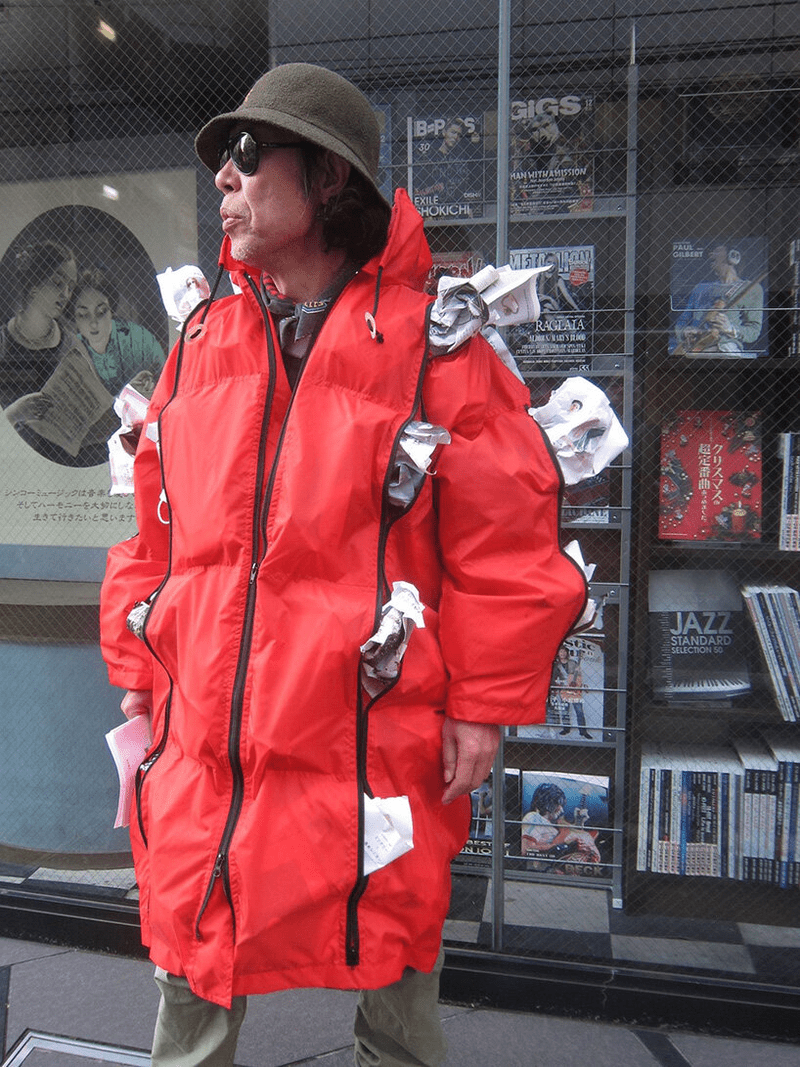
Final Home works more as a design philosophy built around the idea of clothing as a tool for living than a conventional fashion brand. We explored the ideas and inspirations behind Japanese designer Kosuke Tsumura’s creative vision. He pushed fashion’s boundaries by rethinking clothing as more than something that simply dresses the body.
How Final Home Rethought Fashion Through the Idea of Shelter
Born in Saitama, Japan, Tsumura developed an experimental eye for fashion while working for Issey Miyake’s design studio, where he began to explore the relationship between materials and the functionality of the human body that connected him to his later brand Final Home.
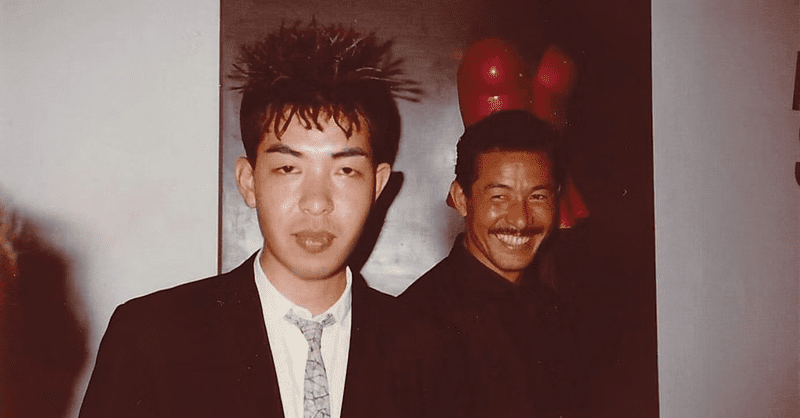
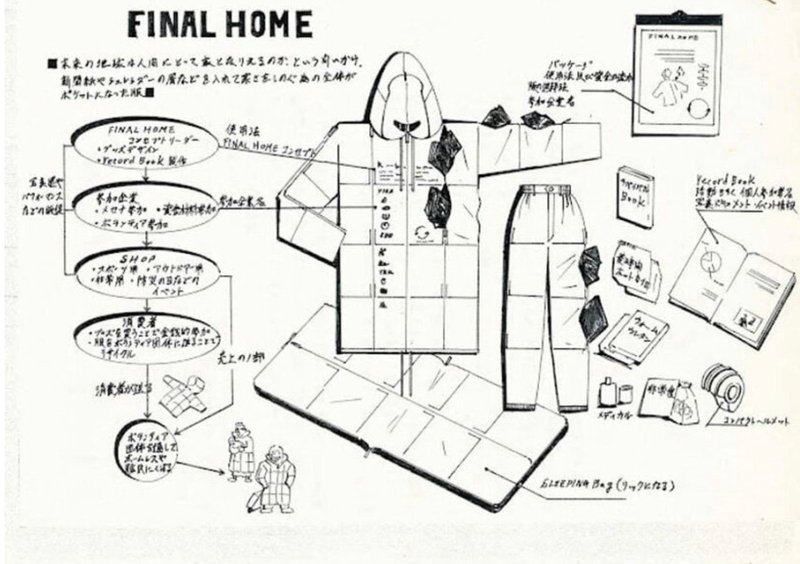
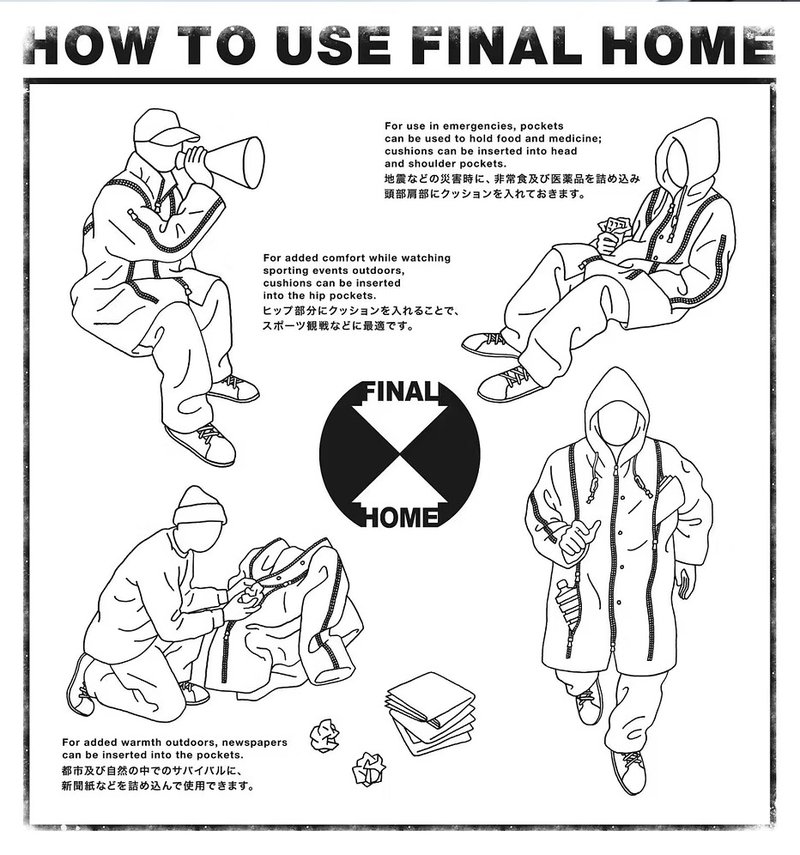
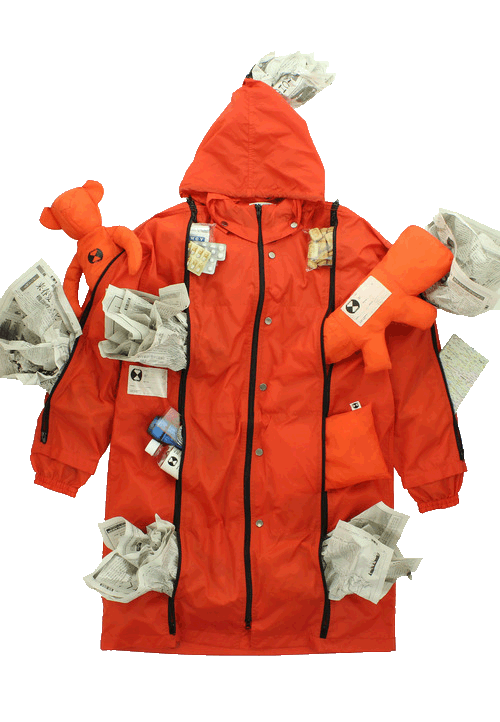
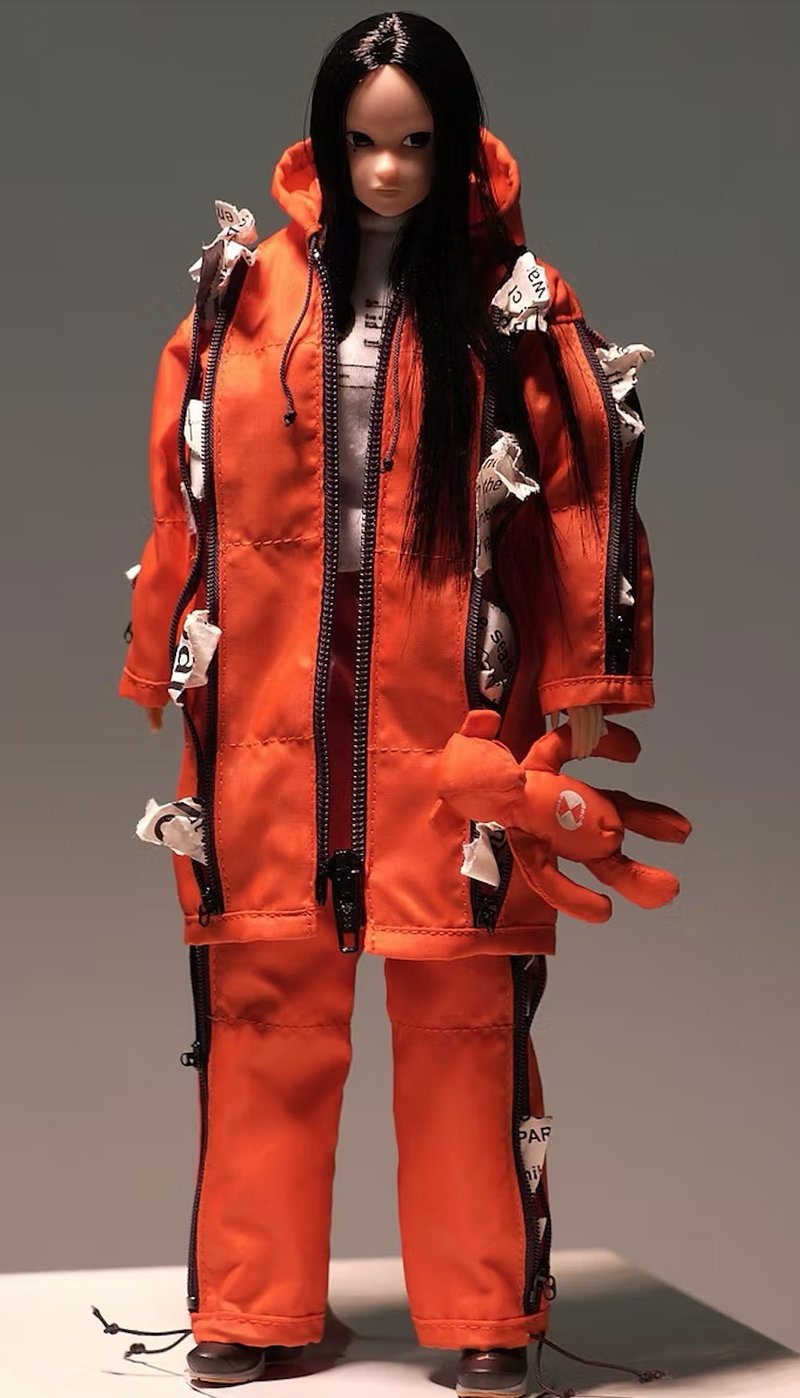
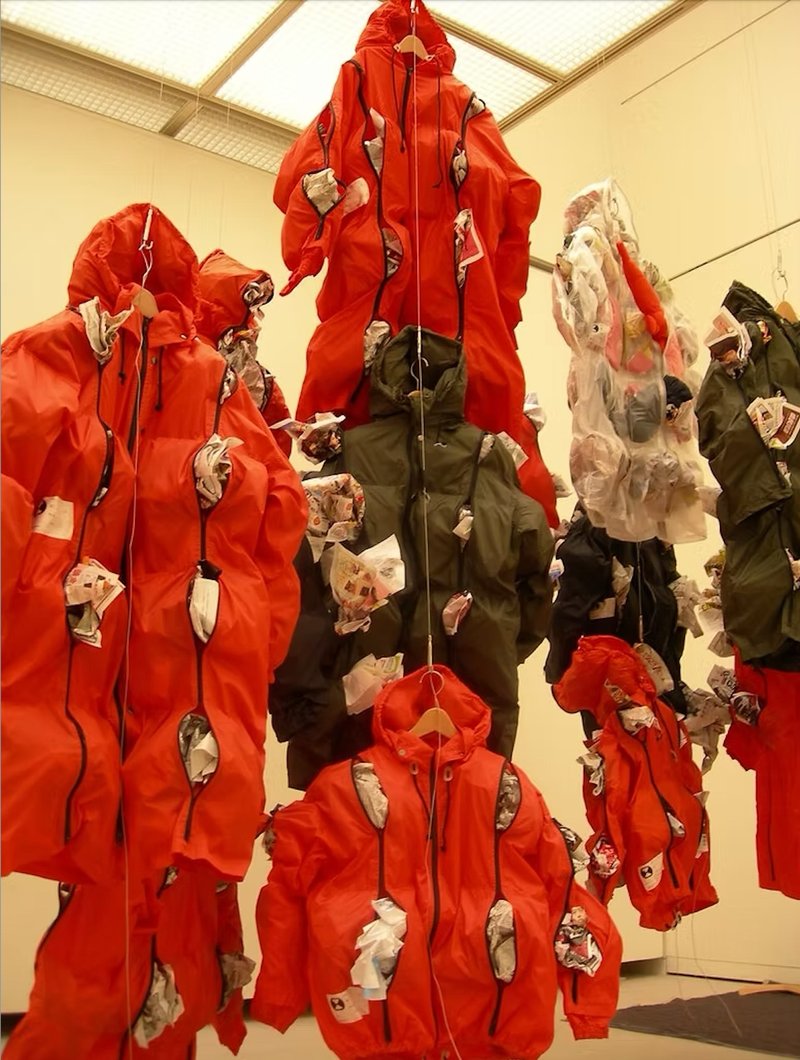
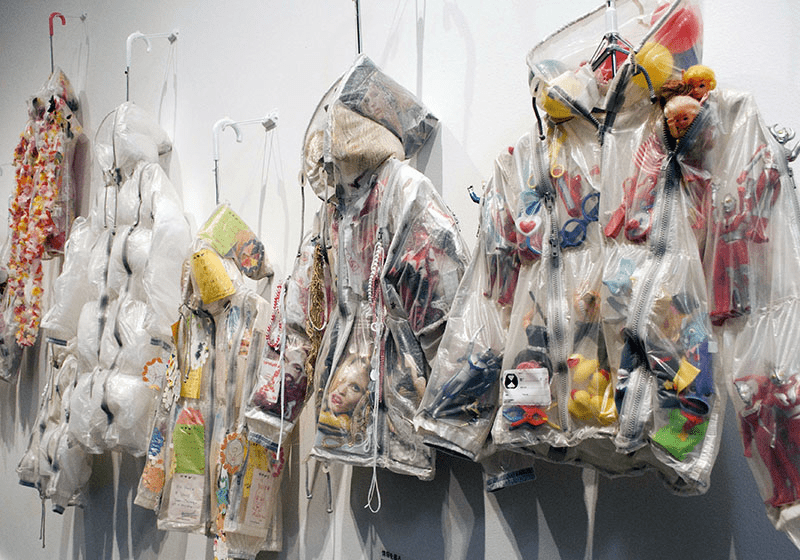
Founded in 1994, FINAL HOME evolved into an experimental design project, pushing the boundaries of traditional garment construction through an aim for practicality. One of its most iconic creations, the HOME1 parka, transforms into a portable shelter, featuring 44 integrated pockets that allow the wearer to fill them with everyday objects.
“Whether it’s a coat or a small building, my main focus is the close connection between the human body and the outside world.”
Although the original label changed directions in 2015, the ideas behind each garment remain relevant today, particularly as conversations about sustainability, functionality, and the future of fashion continue.
1. Take us back to the beginning. What was going on in your life when FINAL HOME started?
【回答案(英語)】
In the early 1990s, Japan’s economic bubble had just burst, and the country was shifting from an era of extravagant consumption to sudden uncertainty. Around that time, I was also spending time in New York and Tokyo, seeing harsh city realities, including homelessness and fast social change. In this setting, I started to question the real purpose of fashion beyond seasonal decoration, which led me to launch FINAL HOME in 1994.
2. What did that end look like in your head?
【回答案(英語)】
For me, "the end of the world" wasn’t a cinematic apocalypse with explosions, but rather the collapse of everyday infrastructure. I pictured a cold, windswept city of grey concrete, debris, and discarded paper, where conventional systems had failed. Amid the ruins, people adapted by stuffing newspapers, dry leaves, and other found materials into their translucent coats to stay warm.
4. Where did you picture this world taking place? Was it a real city, somewhere made up, or everywhere at once?
【回答案(英語)】
It was both Tokyo or New York and every city at once. All cities depend on fragile networks of energy, logistics, and infrastructure, so I envisioned FINAL HOME as a universal urban uniform.
5. How did you imagine people living in that future, and what role did your clothes play in their day?
【回答案(英語)】
I imagined people living as urban nomads, constantly on the move and improvising with limited resources. In their daily lives, the clothes acted as a wearable toolbox, storage unit, and sleeping bag all in one. Instead of relying on static furniture or closets, they could carry their essential belongings, insulation, and memories directly on their bodies—turning the garment into an extension of their survival instincts.
6. How did people react the first time they saw FINAL HOME?
【回答案(英語)】
At first, many people in the fashion world were puzzled or even shocked. In an era dominated by luxury, glamour, and traditional tailoring, presenting a nylon coat covered in 44 pockets and stuffed with old newspapers felt quite radical and provocative. Some saw it as a conceptual art statement rather than wearable fashion, while others immediately connected with its raw honesty.
7. What doors did FINAL HOME open for you that you didn’t expect?
【回答案(英語)】
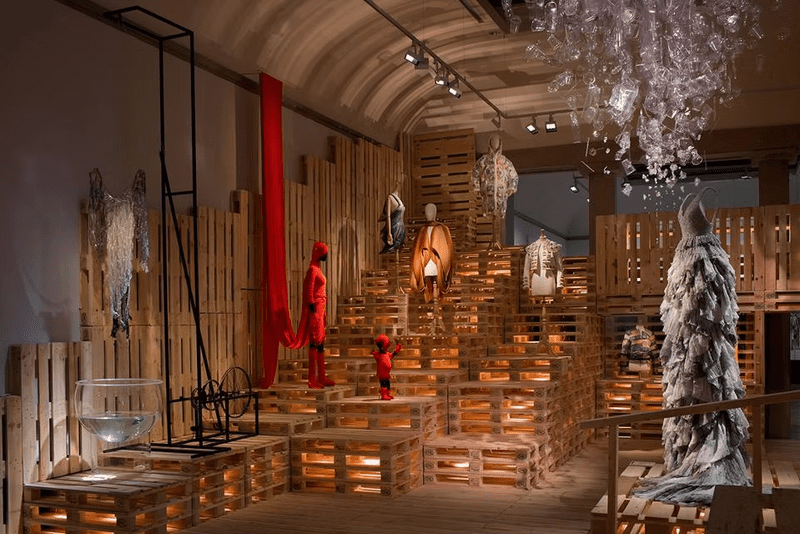
It connected me with fields beyond fashion, from disaster relief to architecture and museums. I never expected an emergency shelter coat to enter the collections at MoMA and The Met or be used in disaster zones. It showed me clothing can support survival and serve as a social tool, something bigger than a trend.
8. What was the hardest part of keeping it going?
【回答案(英語)】
Balancing conceptual radicalism with the reality of the commercial fashion calendar. The fashion industry demands constant change, whereas FINAL HOME was built around long-term functionality, universality, and endurance. We always want to stay true to a timeless, utilitarian philosophy while surviving inside a fast-paced business system.
9. Out of everything you’ve made, which piece feels most like you?
【回答案(英語)】
Definitely the original 1994 translucent Home1 coat with 44 pockets. It embodies my core philosophy: stripping away decoration to expose structure, letting the wearer decide how to fill the empty spaces, whether with newspapers for warmth, or with their own memories and necessities. It is both minimal and infinitely adaptable, which is how I approach design and life.
10. Are there ideas you’ve had that may never see the light? Can you tell us about one?
【回答案(英語)】
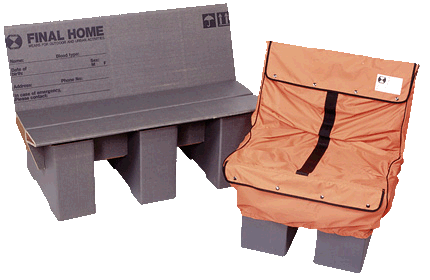
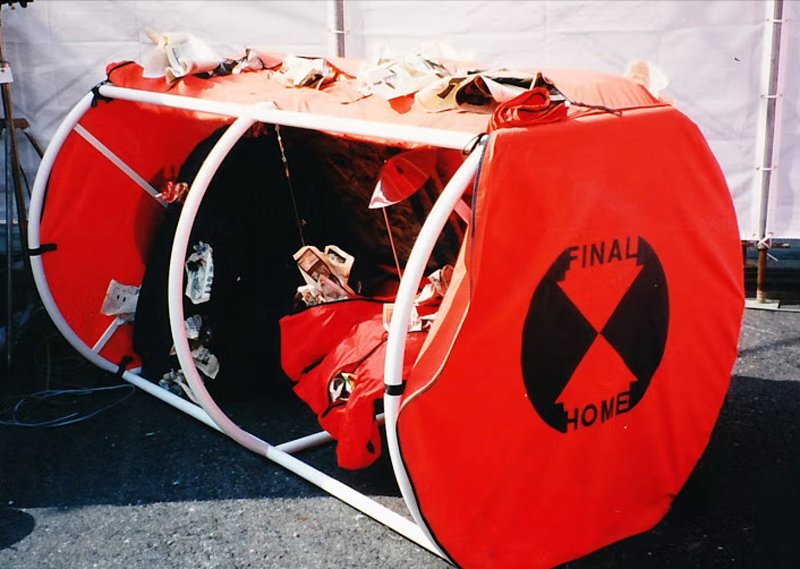
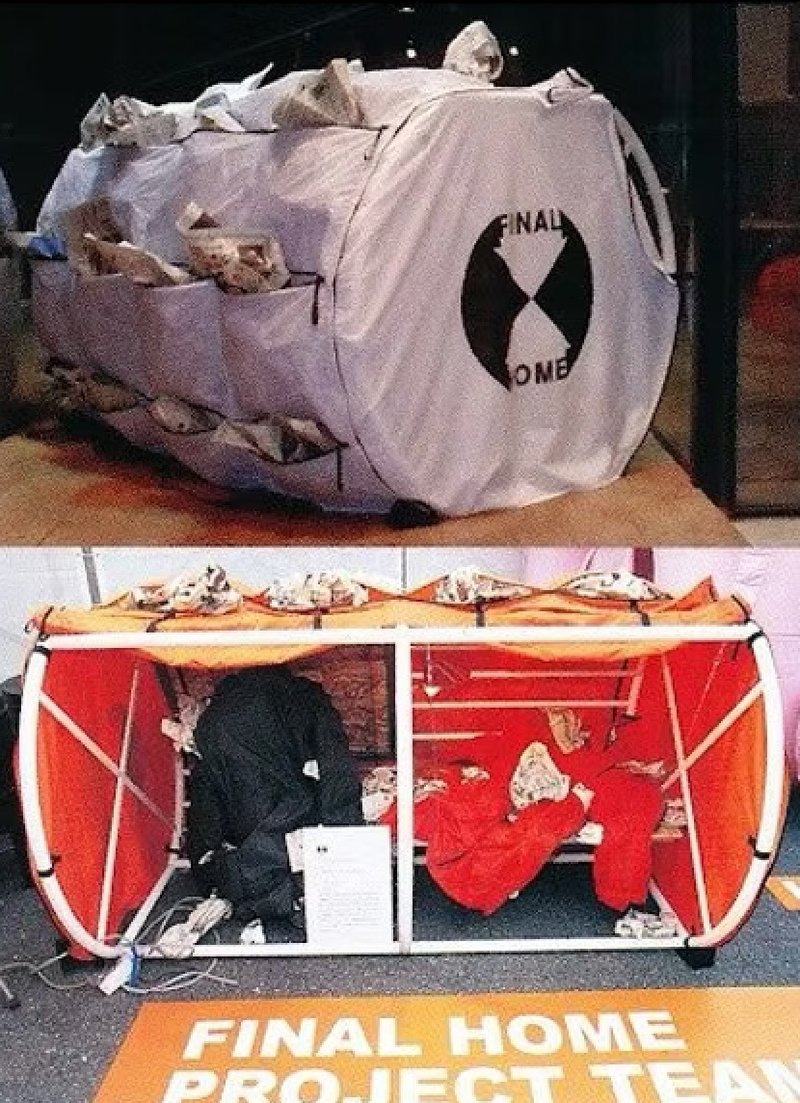
I’m fascinated by wearable architecture, garments that inflate, transform, or connect to create communal shelters. Though technically and legally difficult to produce as everyday clothing, these unrealized ideas continue to inspire my experimental work.
11. The world has changed a lot since you started FINAL HOME. If you were designing it today, what would you change?
【回答案(英語)】
In the 1990s, survival meant physical shelter and analog preparedness, like stuffing newspapers into pockets. Today, I’d design for the climate crisis and digital overstimulation, using circular, biodegradable materials to protect both the body and our privacy, a shelter from harsh weather and information overload.
12. Do you feel you ever finished FINAL HOME, or was there more you wanted to say?
【回答案(英語)】
FINAL HOME may have reached a pause as a brand, but its deeper question
“What kind of home do people truly need?”
remains unresolved. As cities, environments, and human concerns change, the conversation continues.
Kosuke Tsumura's work is proof that fashion is more than just appearance. It breaks boundaries, answers real human needs and reshapes our understanding of clothing. Today, he continues to explore these ideas through his own creative practice and his role as a professor at Musashino Art University, where he encourages students to experiment, collaborate with creations that go beyond the classroom and into society. His continued involvement in design and cultural projects means his very particular approach to design is still having an impact on the next generation of designers.
