
This spring, Archived Dreams joined forces with PUMA to launch a grant program for emerging designers, inviting them to reimagine the CELL Geo silhouette. Over the past month, the three finalists translated the sneaker’s distinctive language into entirely new objects, expanding the CELL Geo beyond footwear and into speculative design. Meet Andrew Doxtater, Nina Avdalyan and Jason Liao.
Andrew Doxtater
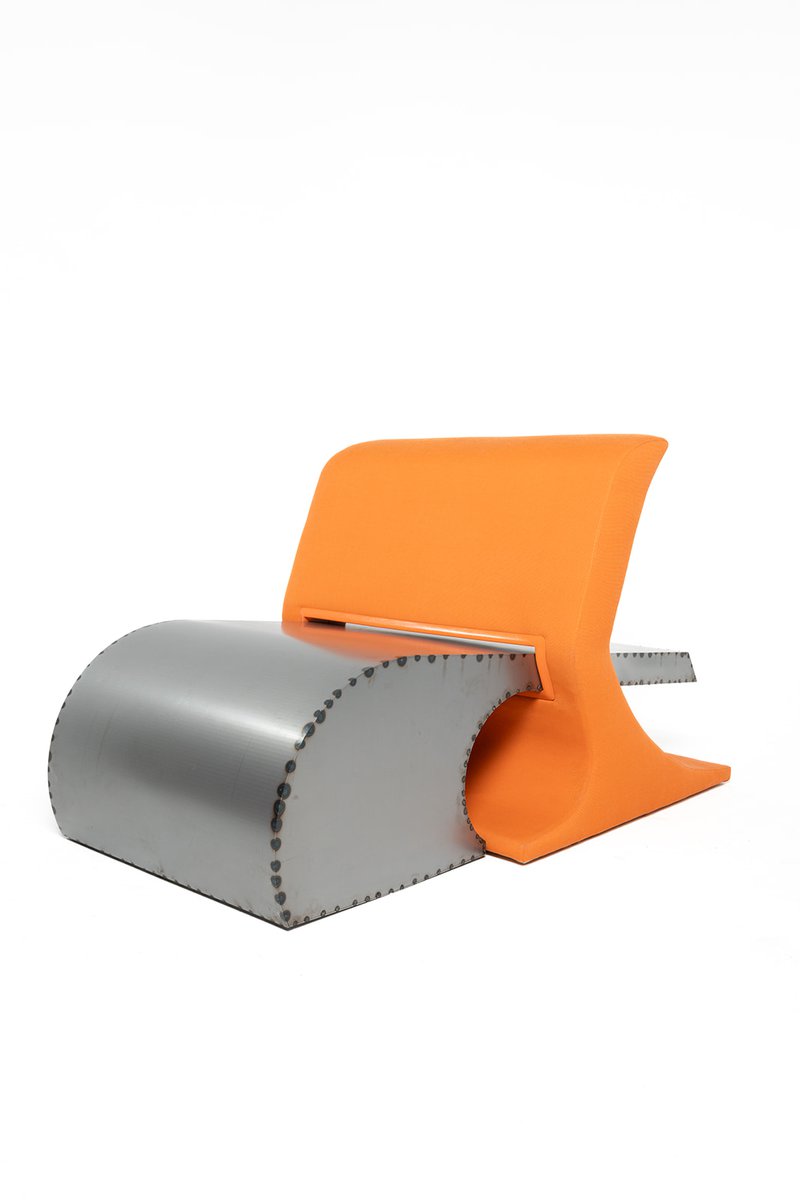
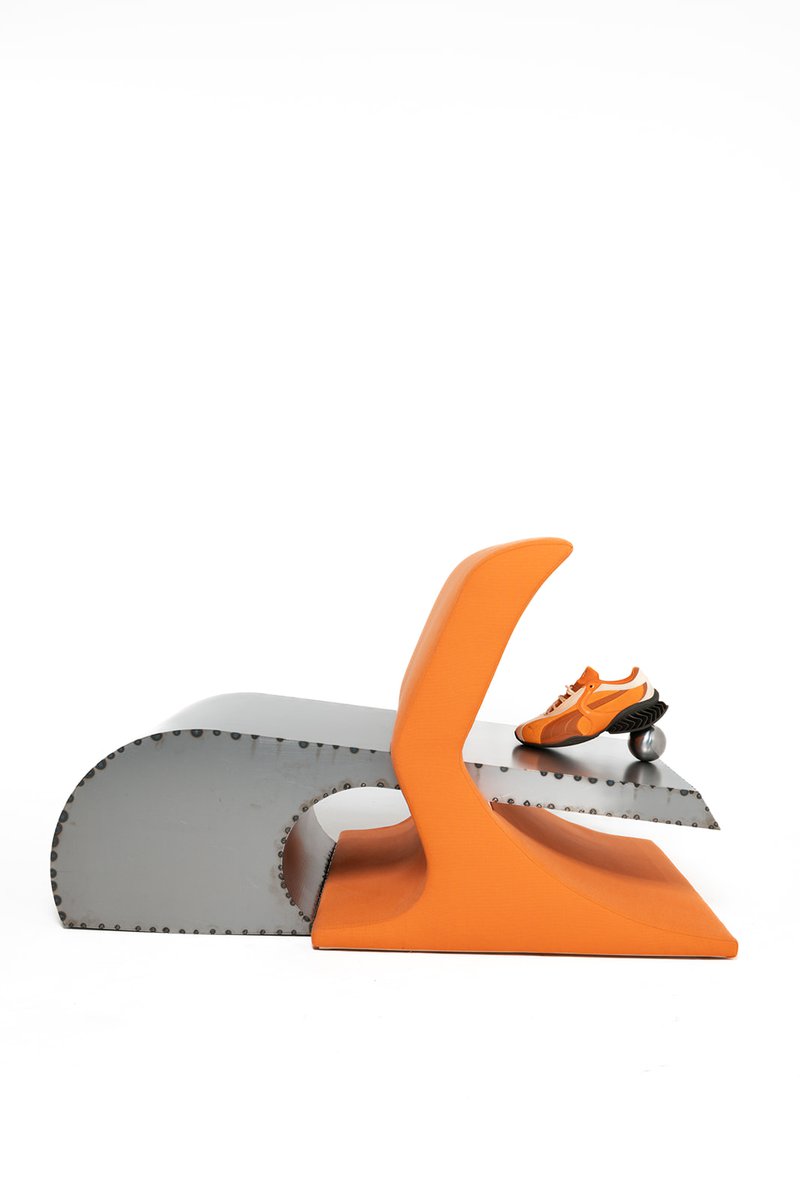
From the jump, Andrew saw a chair in the lines of the PUMA CELL Geo side panel. Deadset on incorporating movement, he wanted to reflect the athletic qualities of the CELL Geo, as well as the duality of PUMA as a lifestyle and sports brand. Andrew eventually settled on a design doubling as a chair and lounger.
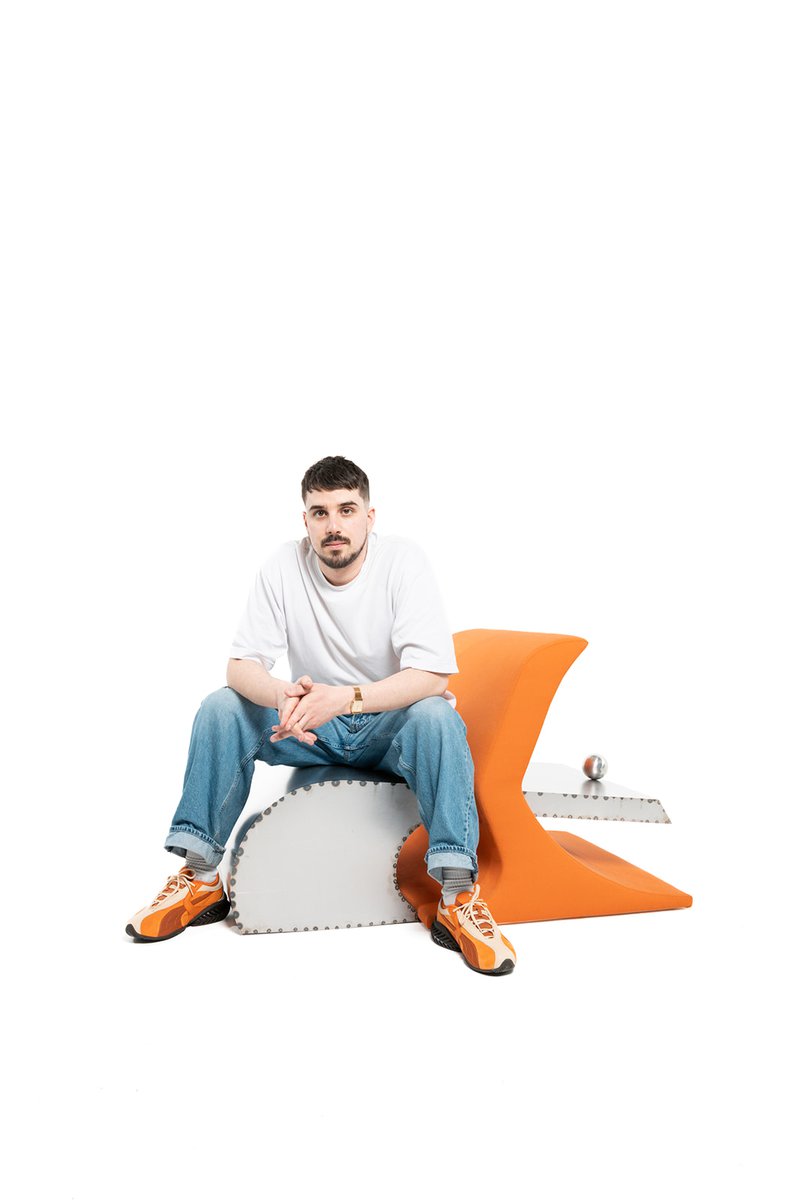
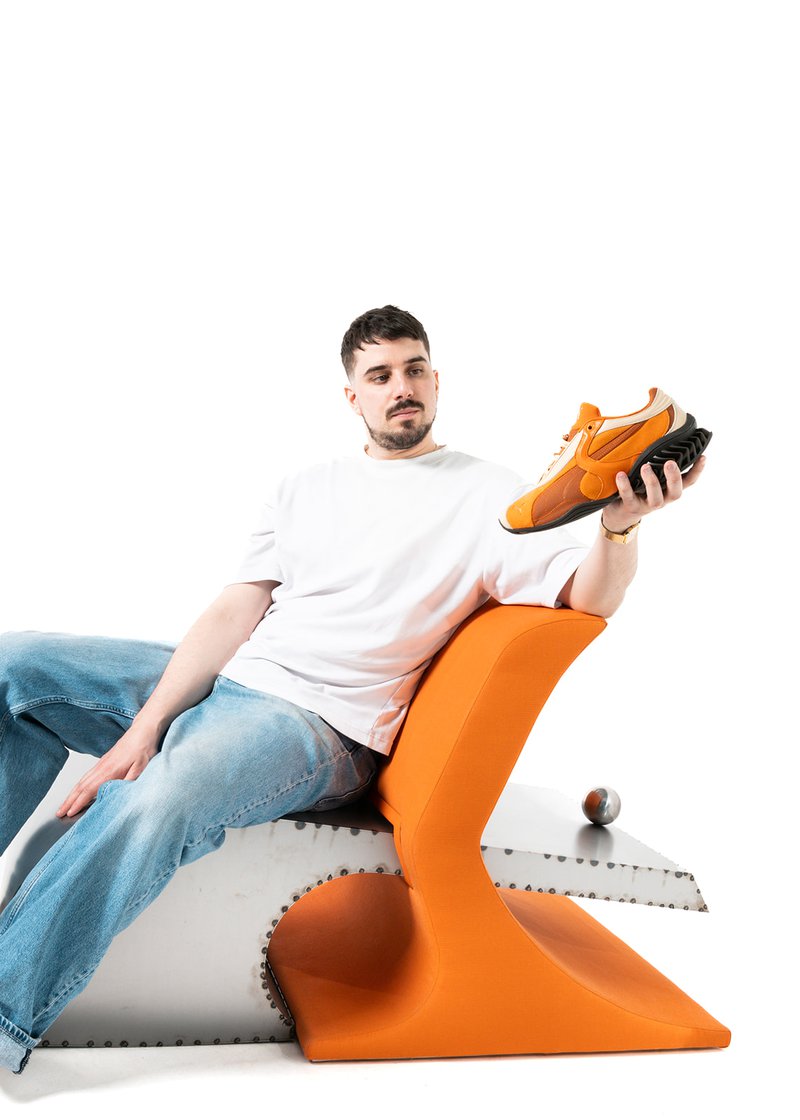
The Ottawa-based designer has somewhat of a thing for chairs, beginning his journey into furniture design with the Oval Rocker, a rocking chair consisting of four interlocking plywood ovals. So, he might have had some bias going into this challenge. While chairs are usually static furniture objects, he wanted to ensure the dynamic qualities he associates with PUMA wouldn’t get lost.
“That movement ties to PUMA, it felt like a really easy, strong connection.”
Manufacturing started with a steel seat he welded together in his garage, where he has assembled all his projects to date. It mirrors the PUMA Formstrip and is the first of two elements. Sliding into the backrest, it gives the piece the movement Andrew wanted to integrate.
For the backrest, the designer wanted to call back to the shoe’s orange colorway and was hoping to do upholstery. He had never worked with upholstery, though, and “this wasn’t the project where I would do it for the first time.” He decided to enlist support from a local firm, PQ Upholstery.
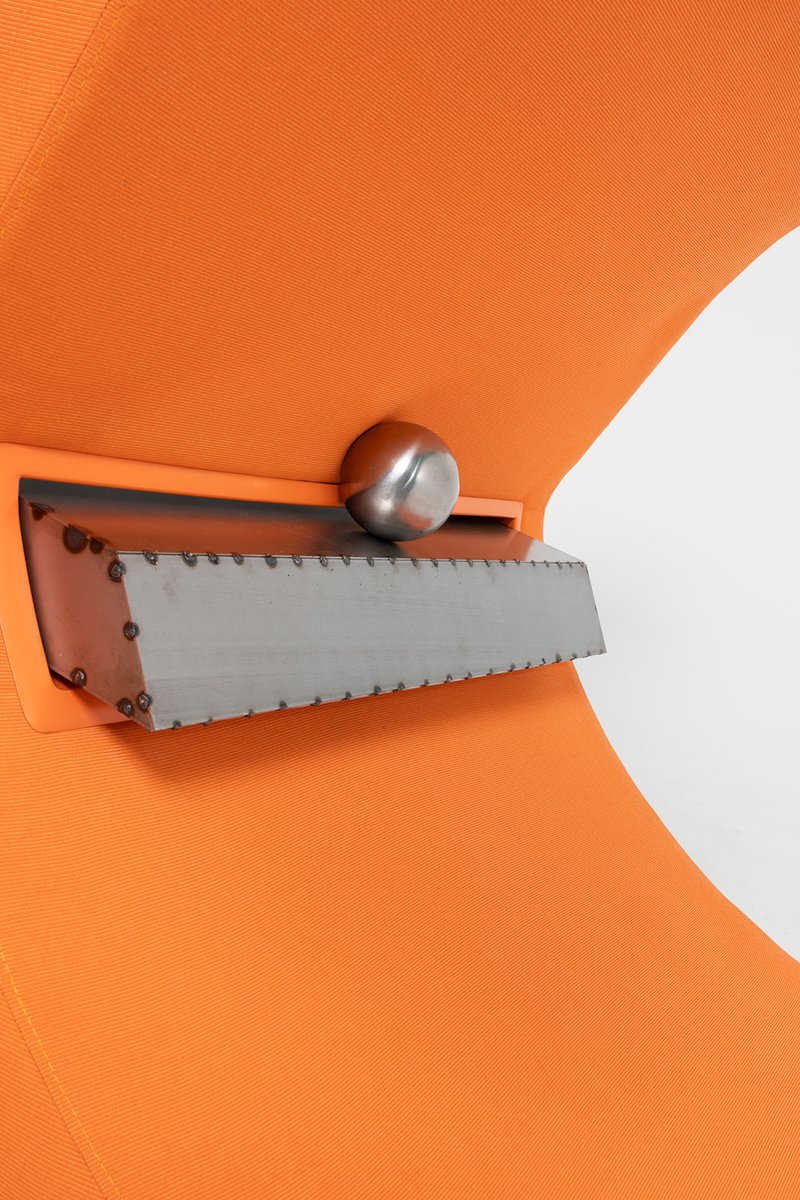
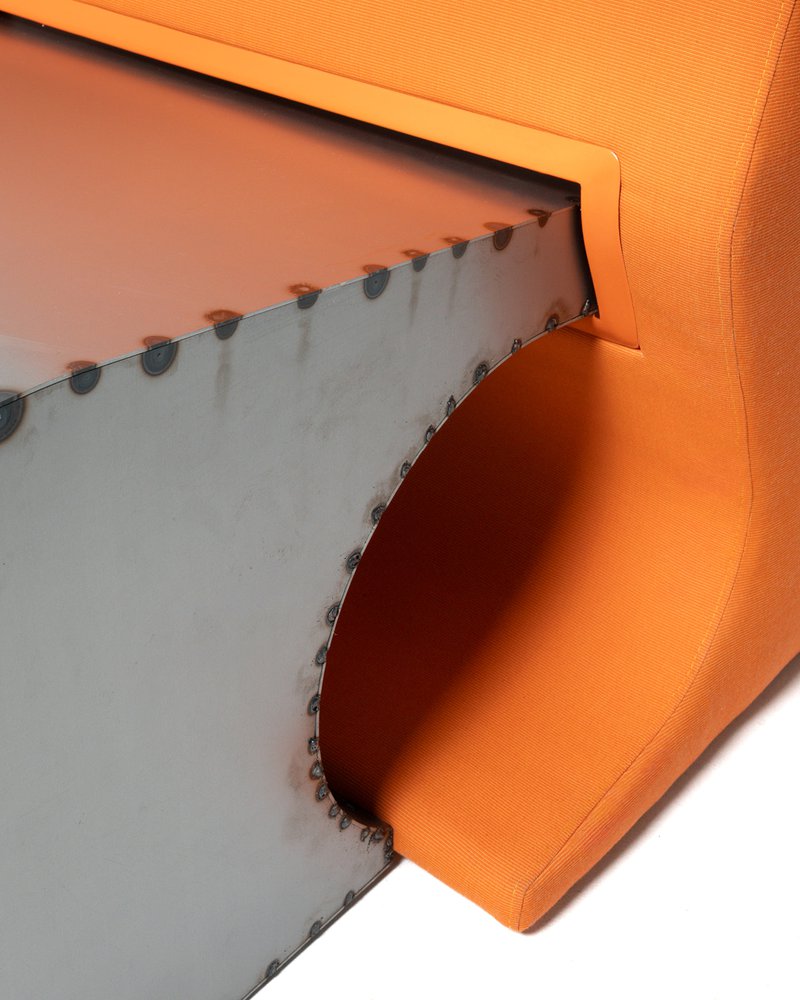
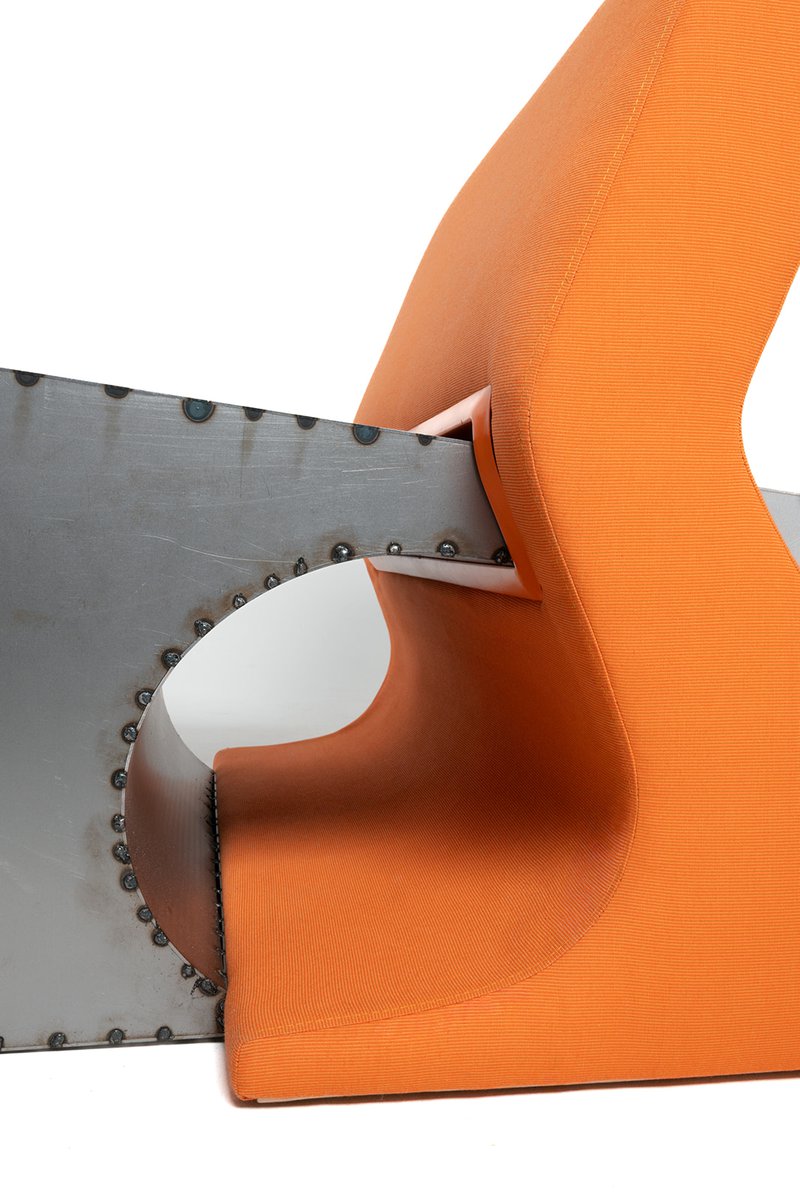
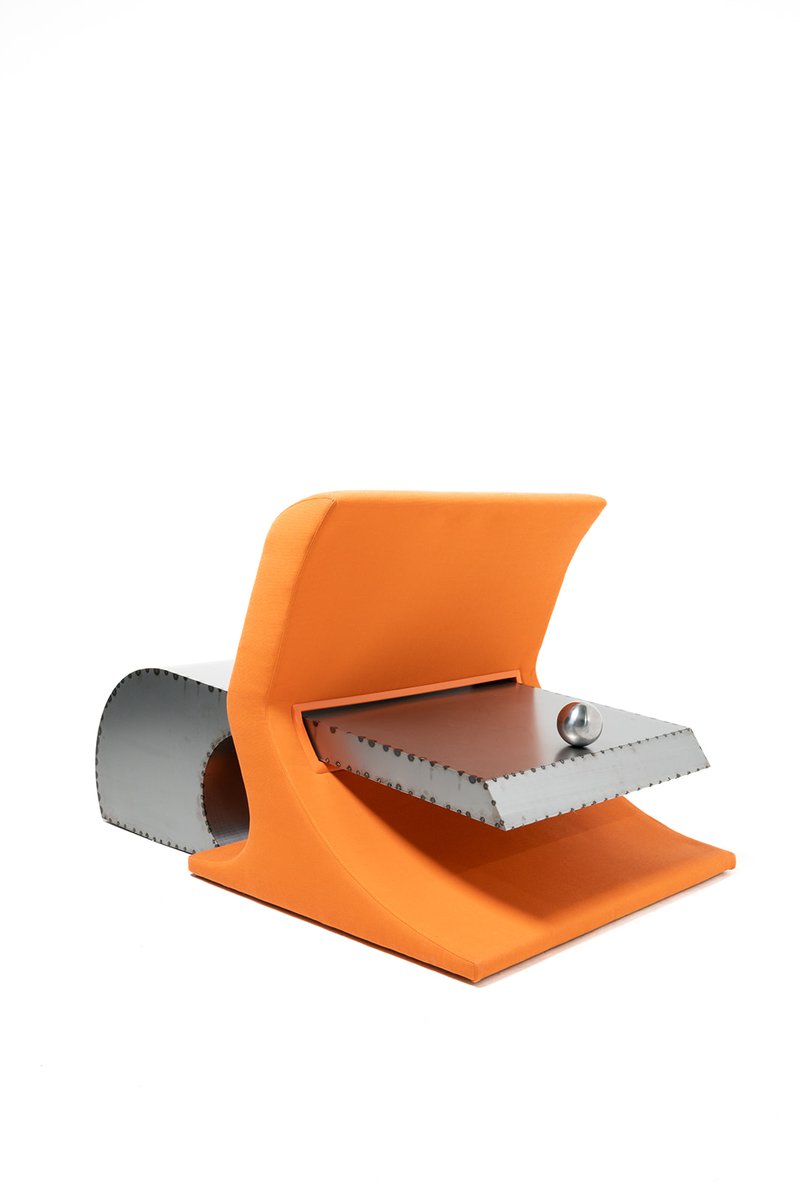
For the fabric, Andrew wanted as close a match as possible. With the shoe as reference, he scoured local fabric shops, until he finally found a match he was happy with. He added finishing details with deliberate care for function and meaning. The 3D-printed border on the backseat, through which the steel seat slides, protects the fabric from the metal while also mirroring the CELL Geo’s eyelet. Wanting an element to allow for easy adjustment between seating positions, he added a ball-shaped stopper at the back edge of the seat. The shape came intuitively, calling back to PUMA as a sports brand.
While his main inspiration was the iconic PUMA Formstrip, he also sees influences from Pierre Paulin’s grounded, upholstered armchairs, and Verner Panton’s Vitra Chair silhouette in his interpretation of the PUMA CELL Geo.
Nina Avdalyan
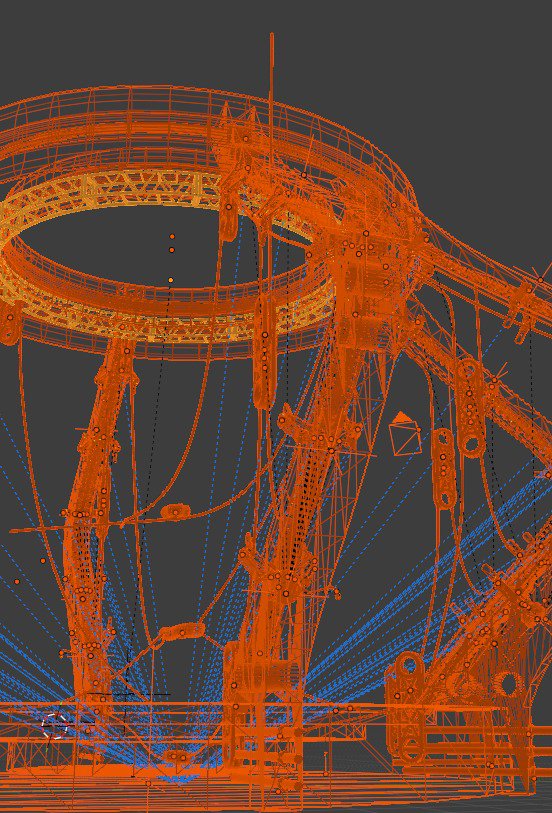
In line with her own practice, Nina’s design was all about interaction between the human body and the spaces it inhibits. Inspired by the PUMA CELL Geo, she created a machine to assist with stretching exercises. The rather scary, sci-fi-looking apparatus becomes much more intuitive upon closer inspection.
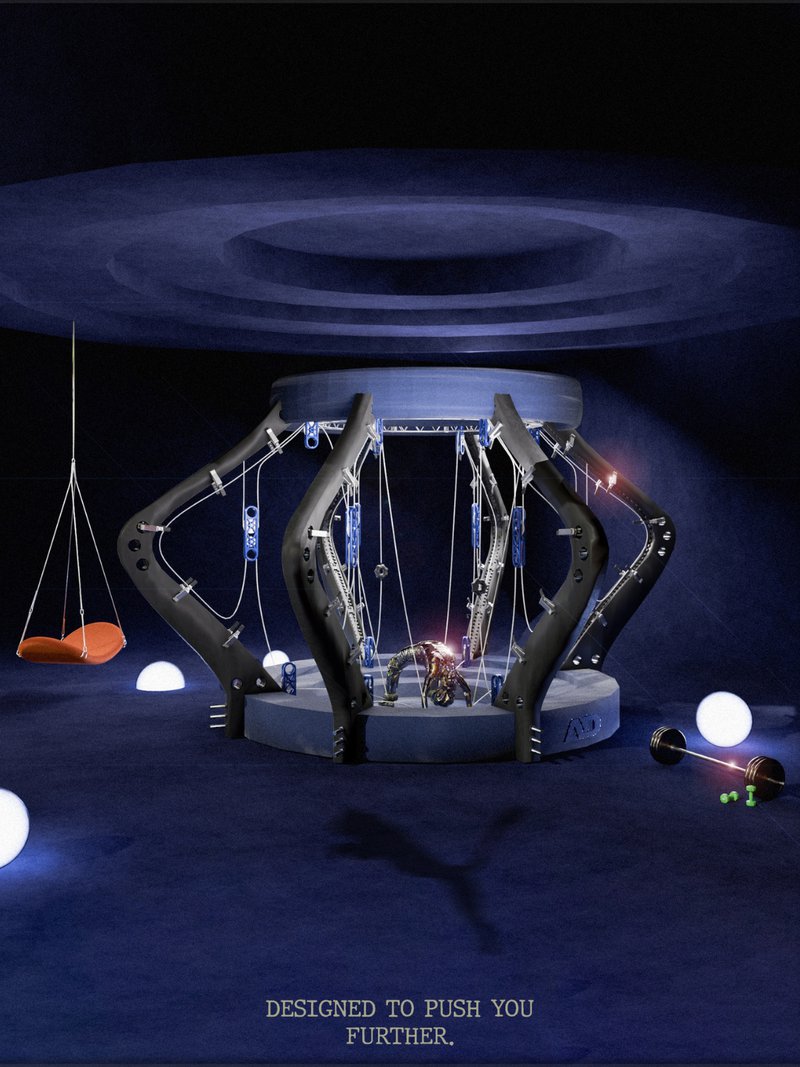
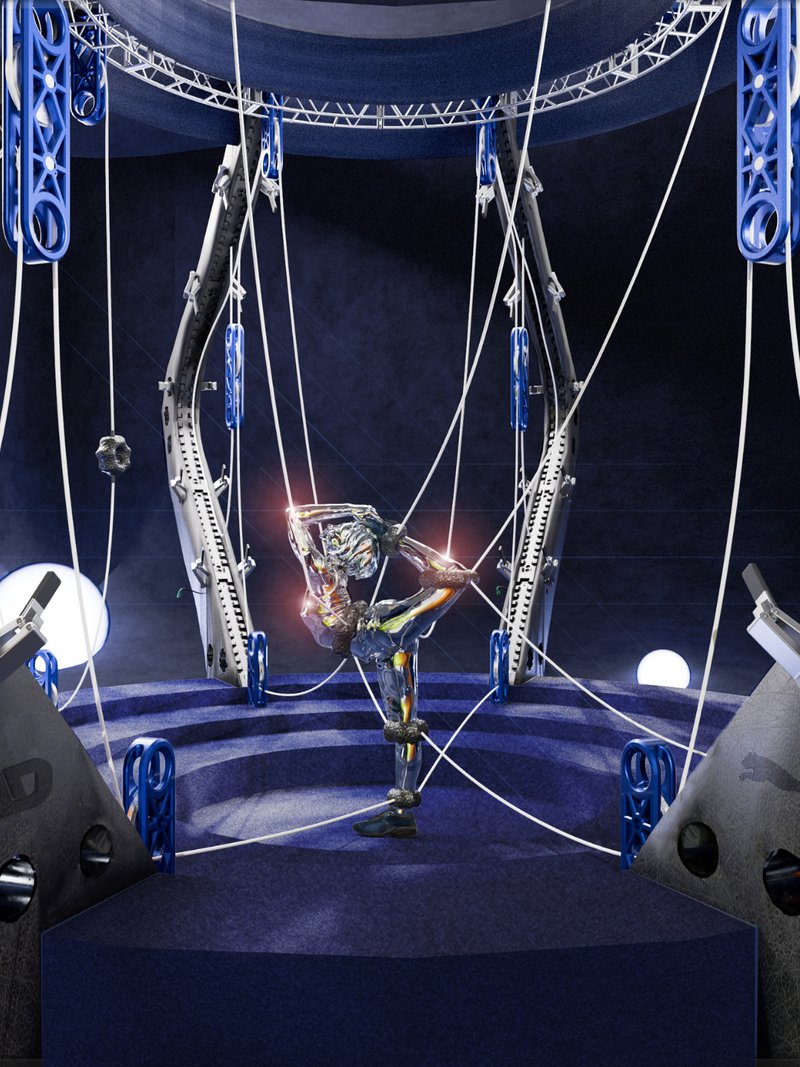
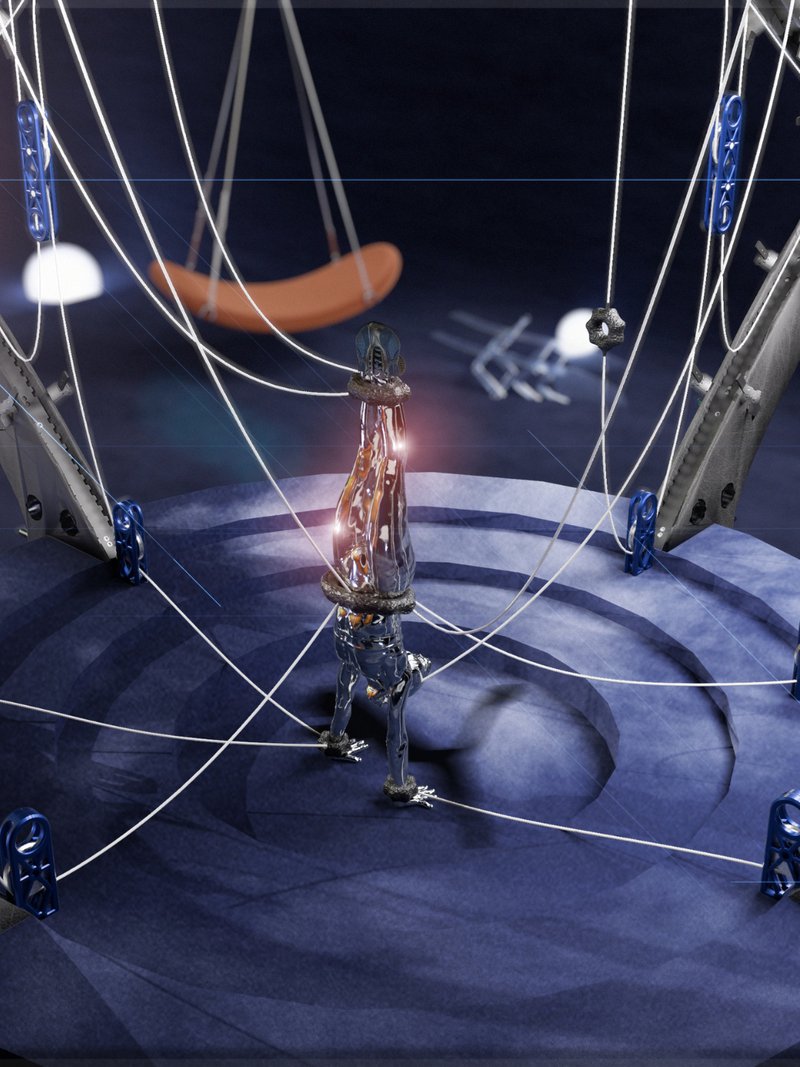
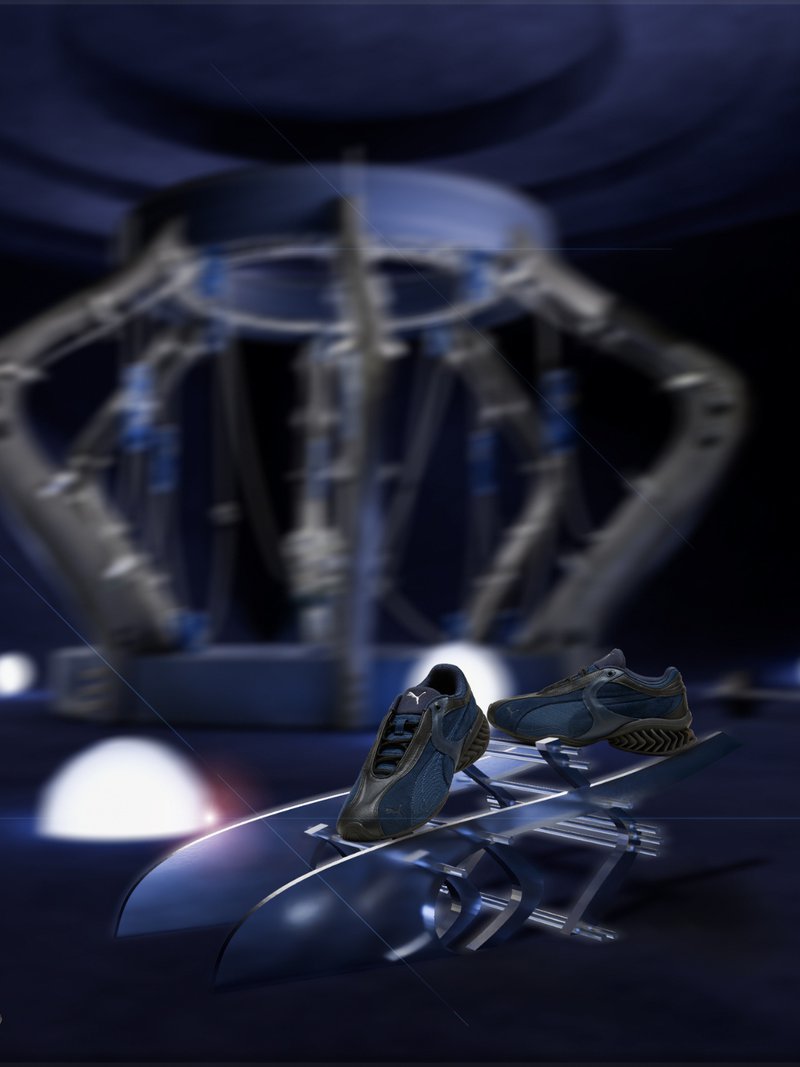
Breaking down the different design elements which make up the PUMA CELL Geo, Nina reassembled them into a stretching pod. She turned the characteristic CELL GEO rubber sole into metal arms, maintaining its negative space in order to embrace users but also avoid a claustrophobic feel. Looking at the back of the shoe, she worked with its topology to create the bottom platform. This is where the stretching happens, but it also offers an opportunity to sit and rest.
The pod resemblance is no coincidence. While developing, she looked to the atomic space age. More specifically, pulling from 1960s body optimization pods, as well as the body maintenance trends of the Space Age.
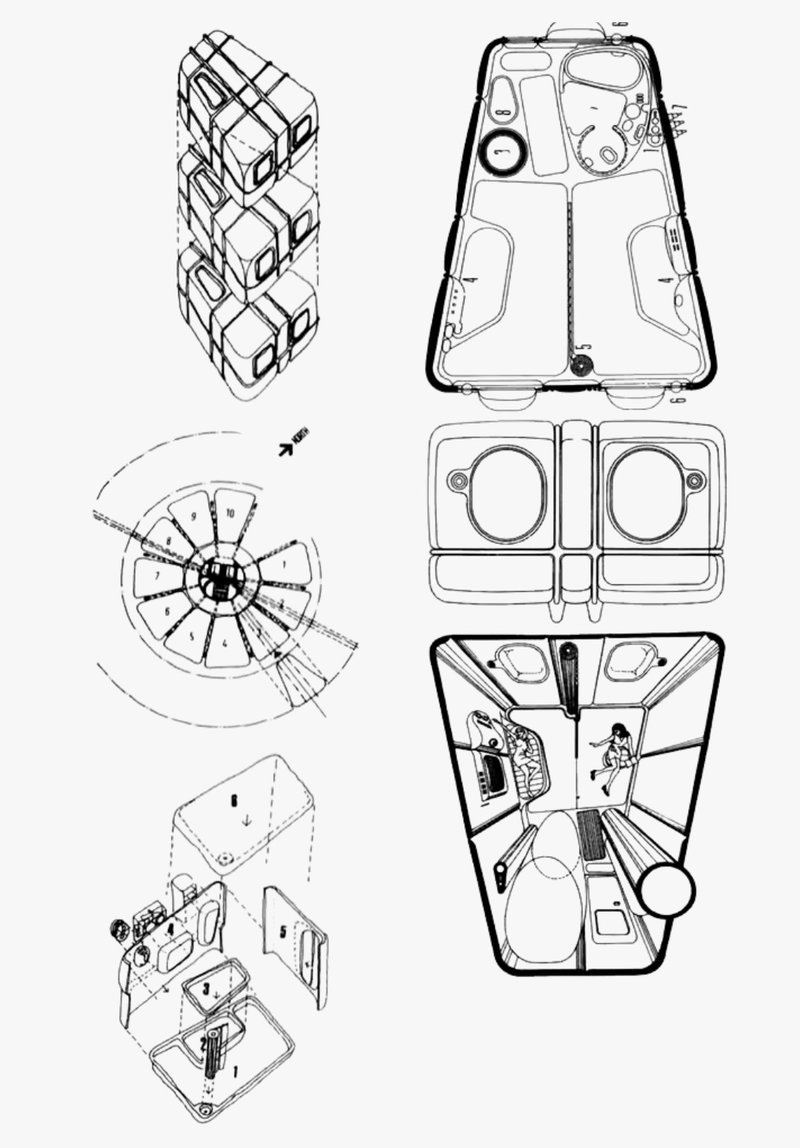
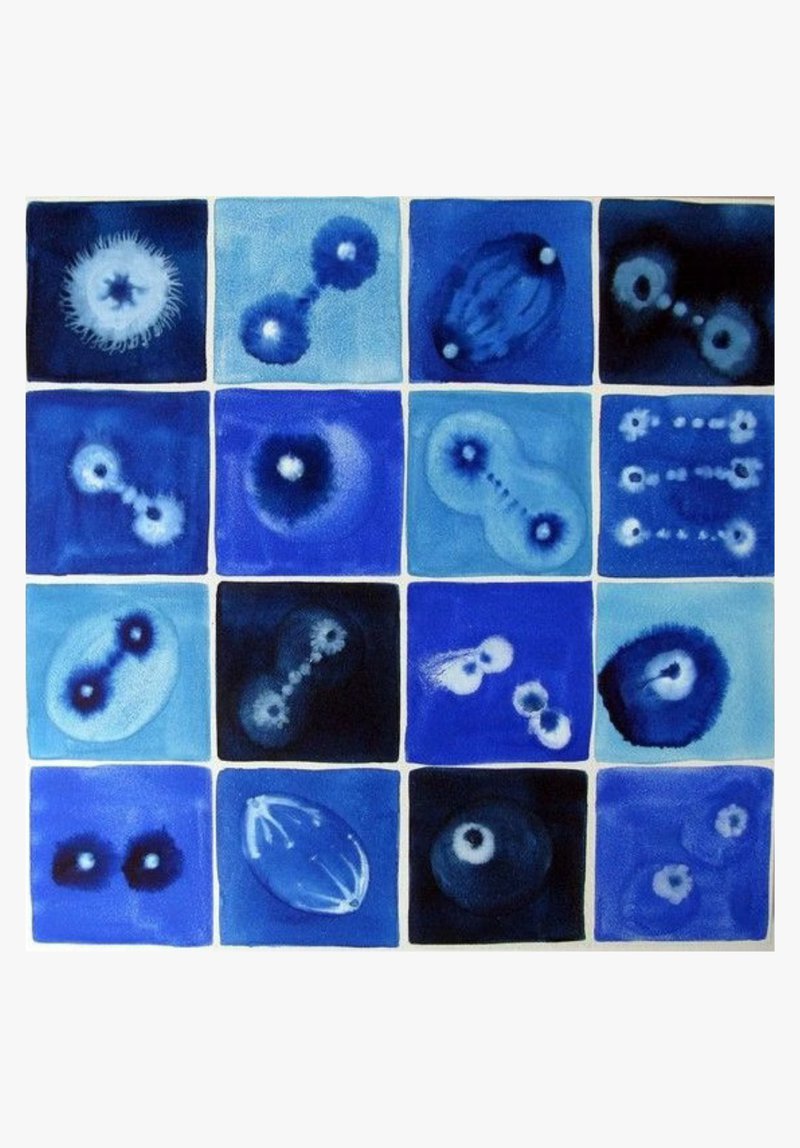
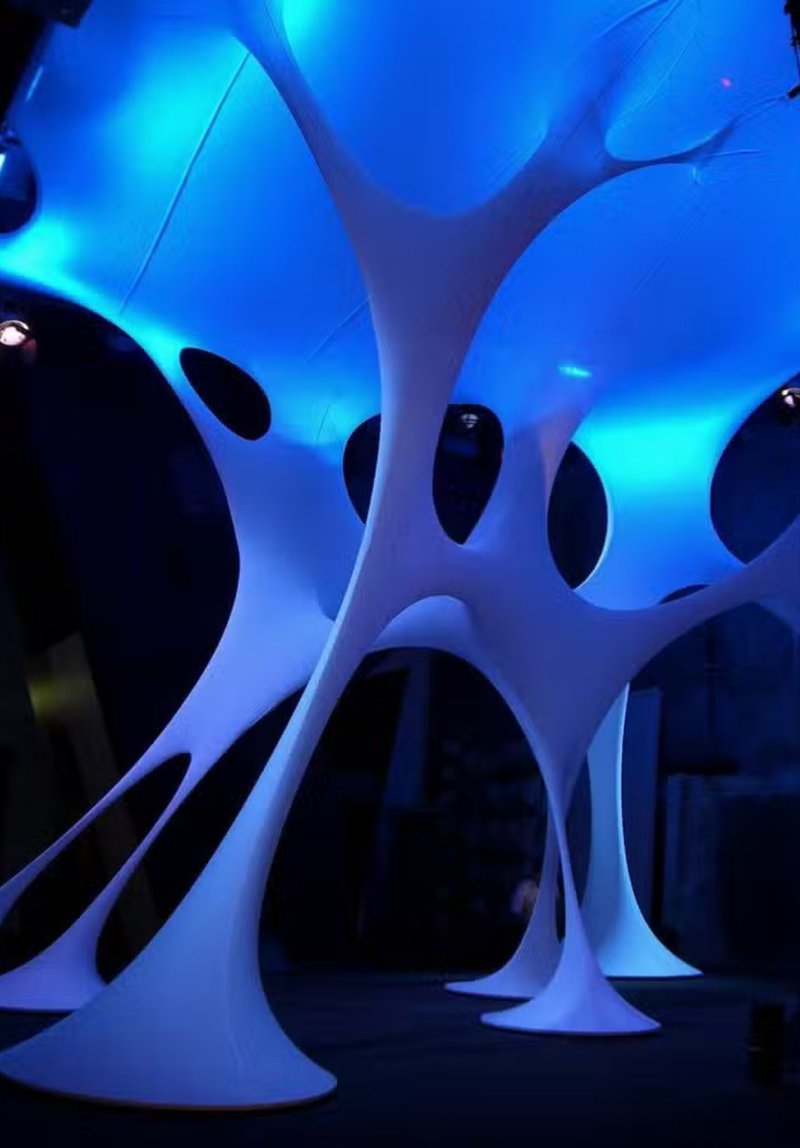
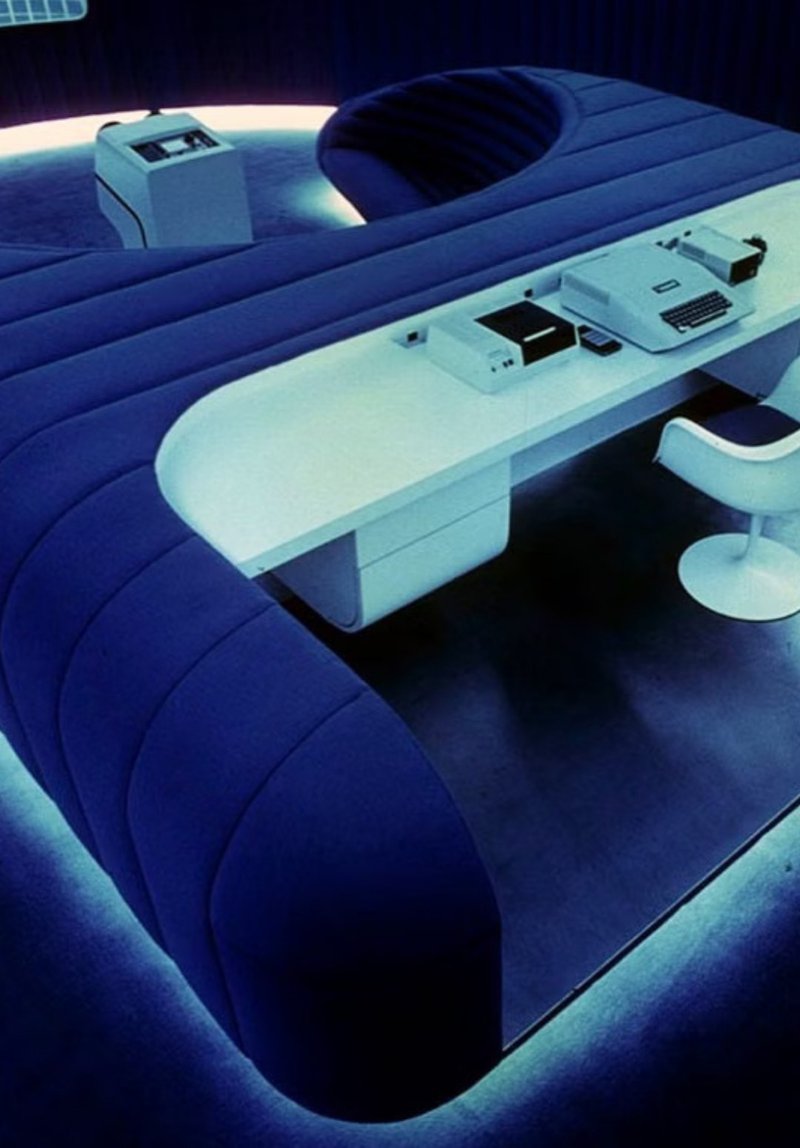
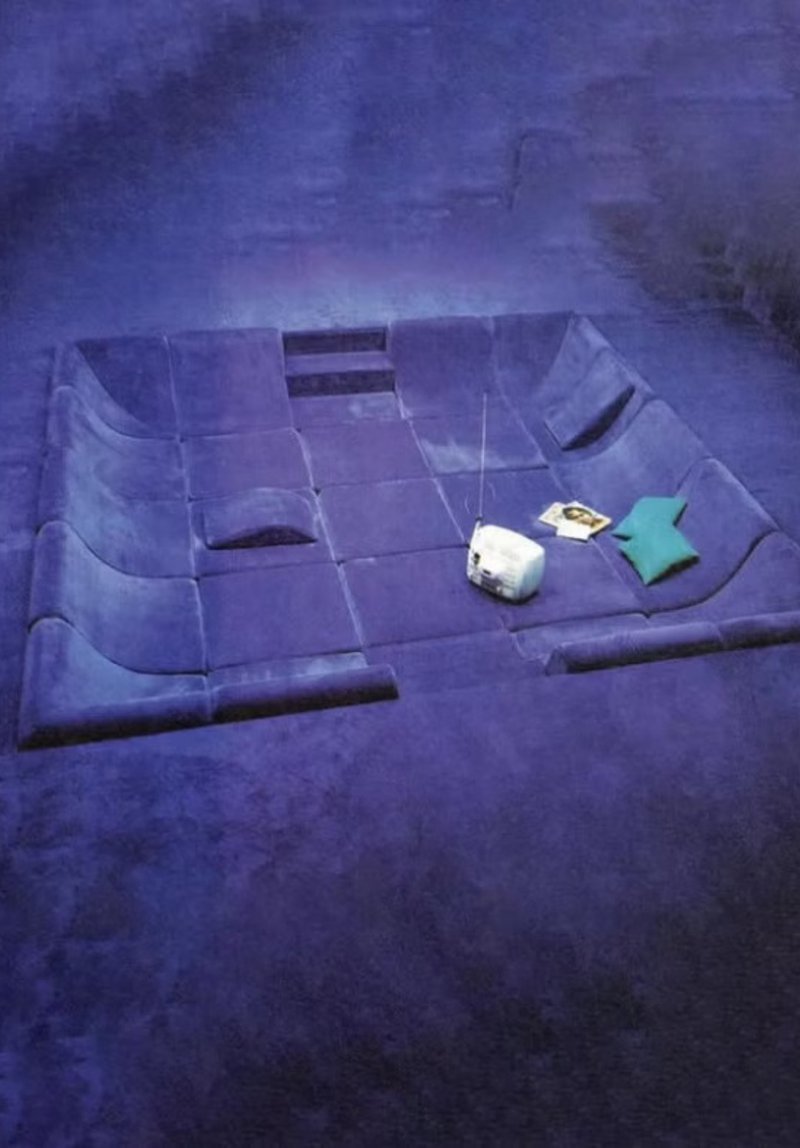
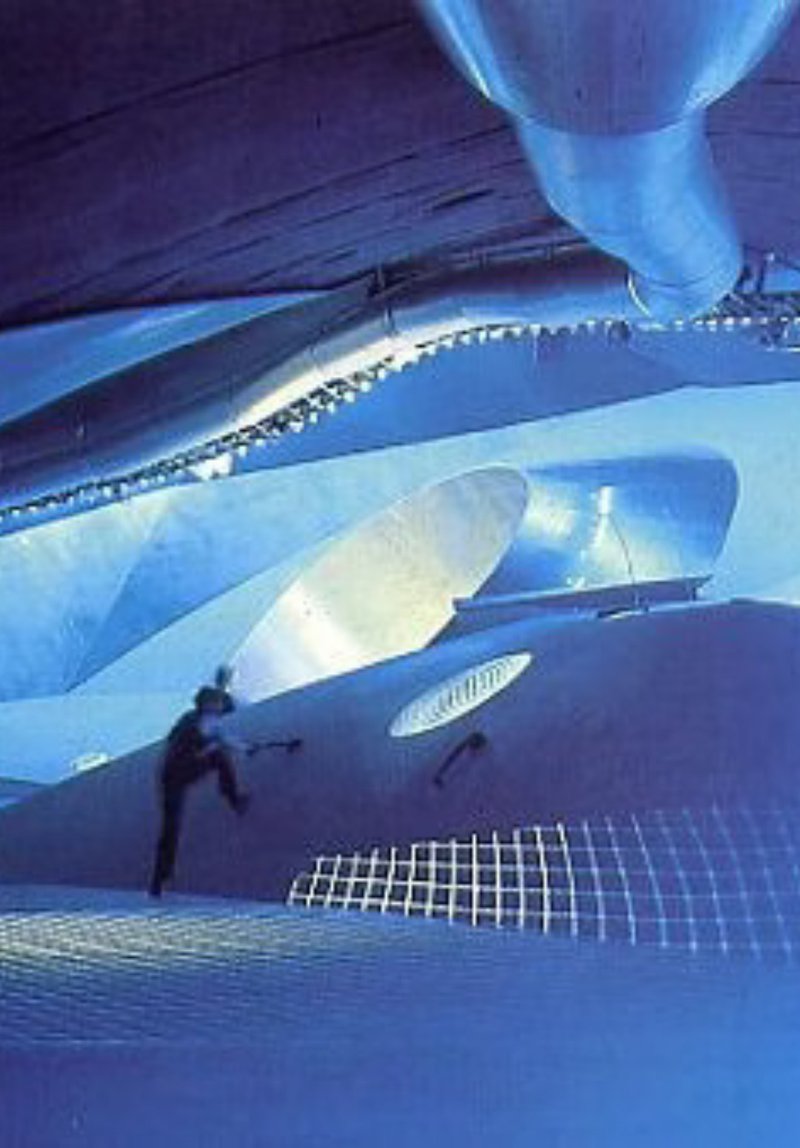
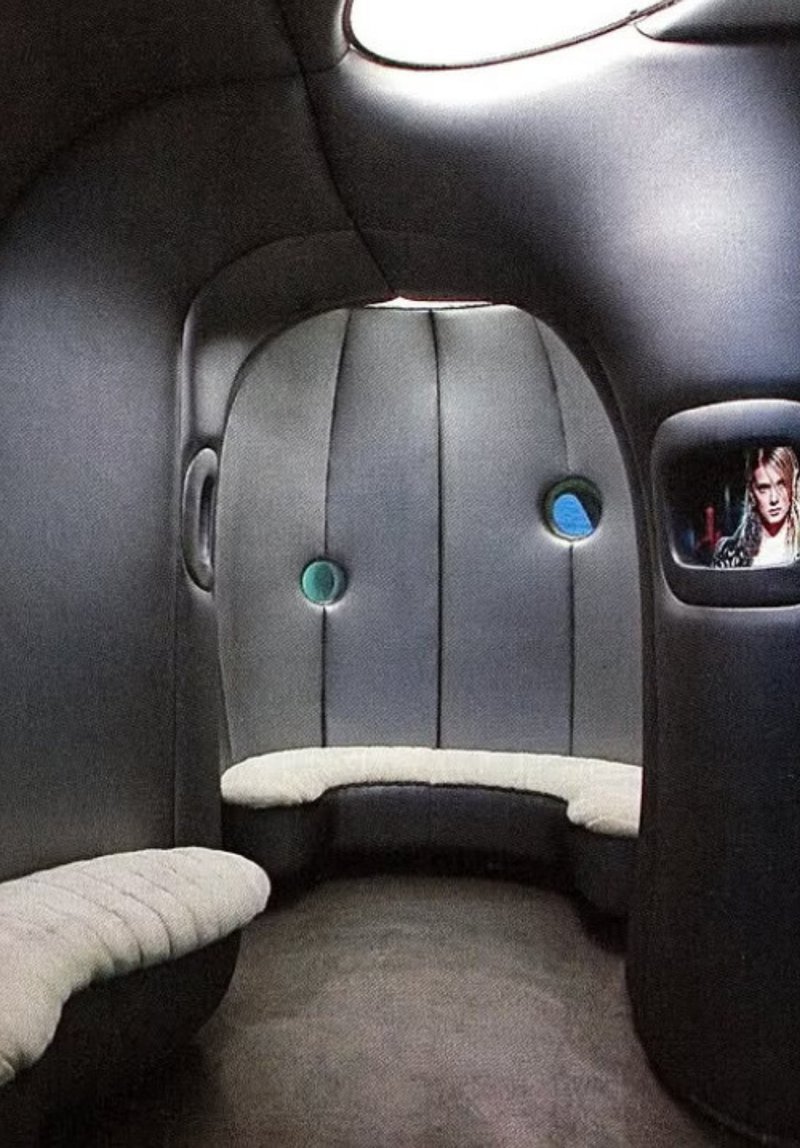
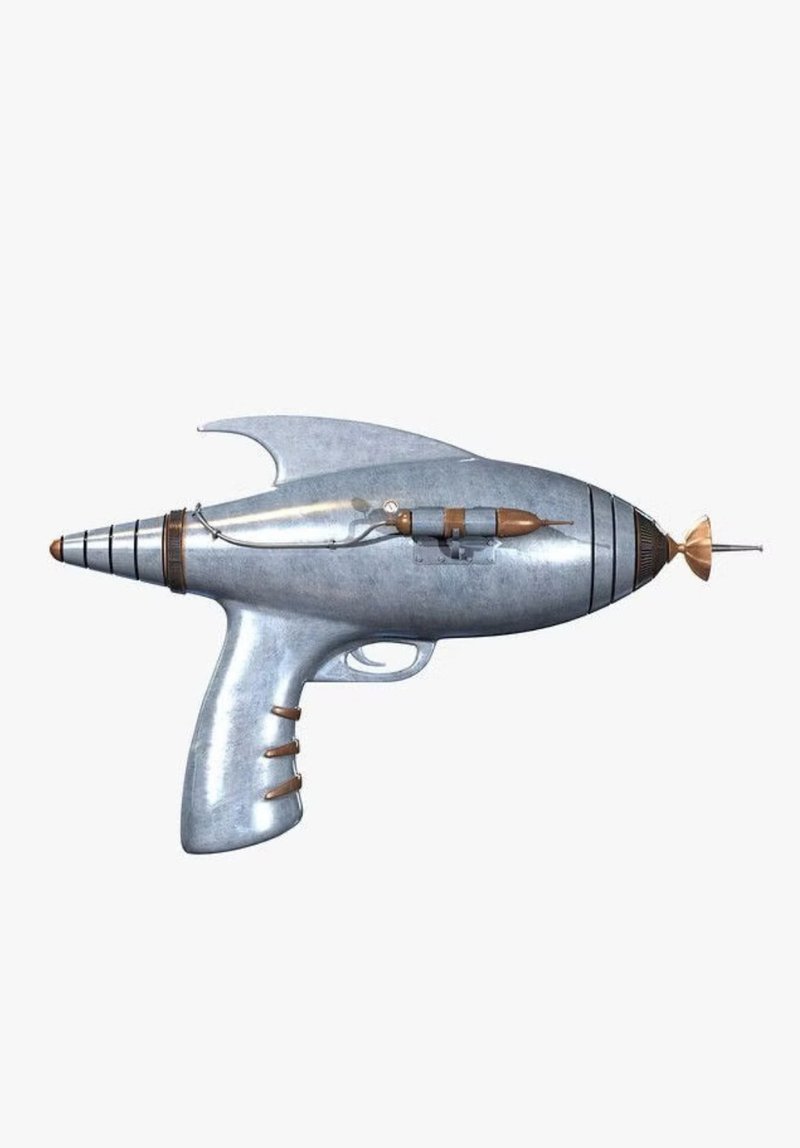
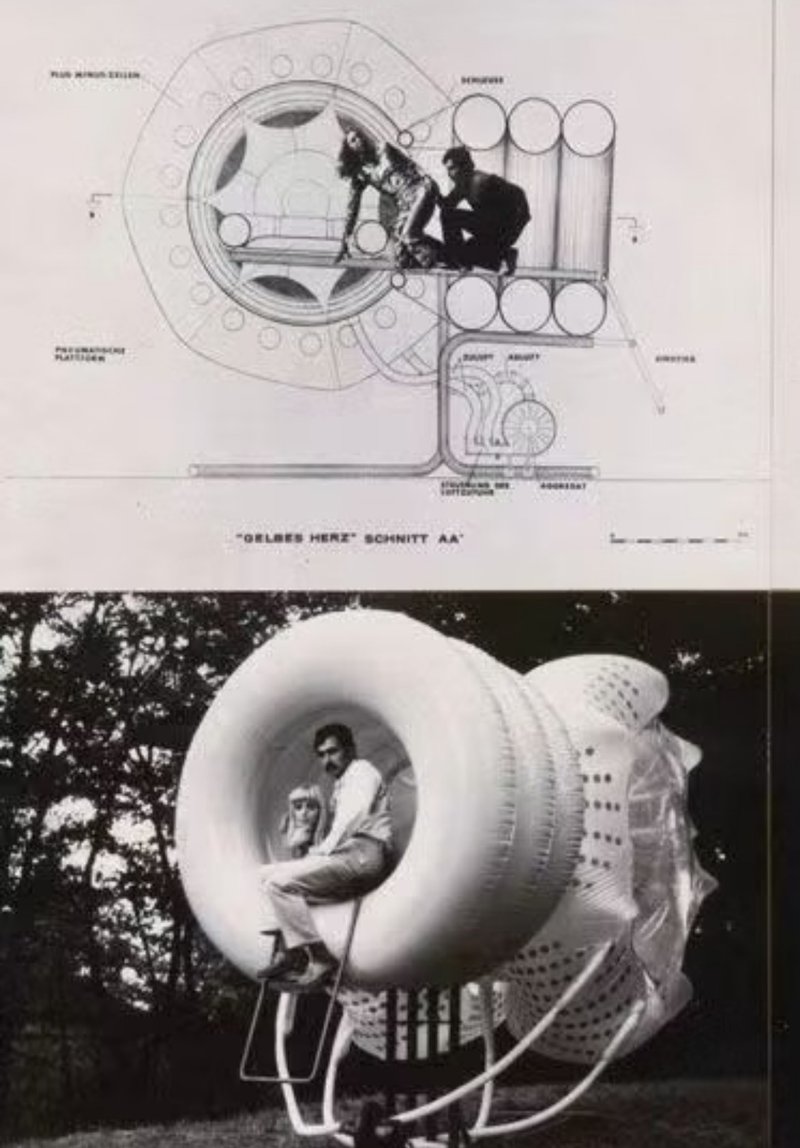
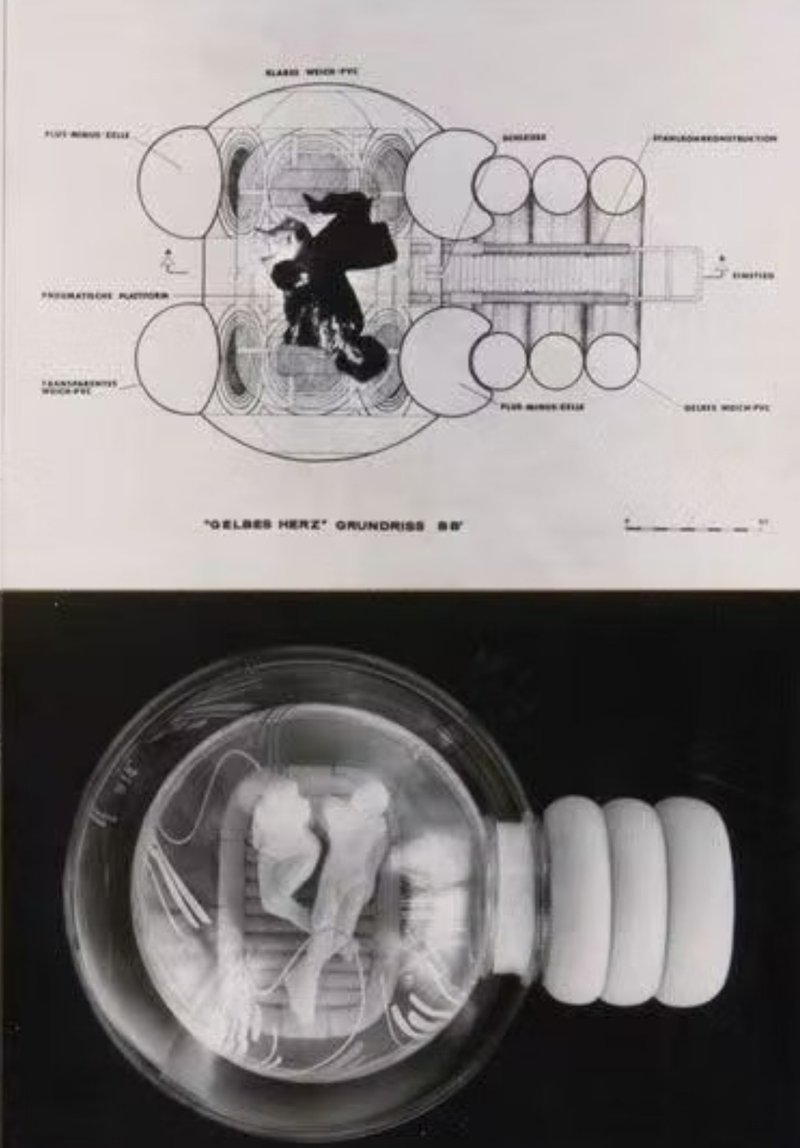
The era was defined by the Space Race between the US and USSR, the fervor of which leaked into the mainstream. NASA developed rigorous training programs for their astronauts, supplemented with technological breakthroughs. Electrical Muscle Stimulation (EMS) was initially invented to prevent muscle loss in zero gravity.
This new perspective on the human body and its potential then turned into heightened mainstream attention to how technology could not only help astronauts reach the moon, but help everyday people be healthier. This introduced the wave of sci-fi Nina was inspired by.
“The original concept of the shoe is pretty retro-futuristic, in a biotech way.”

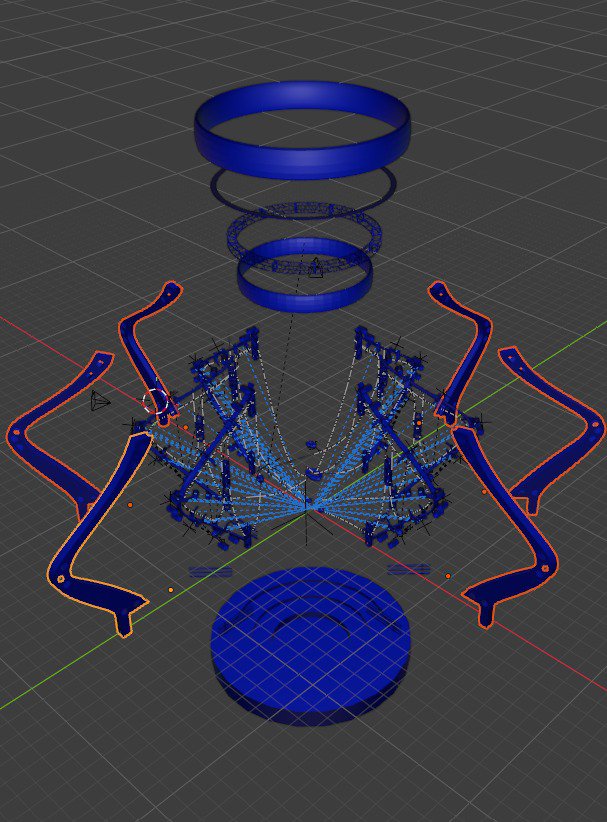
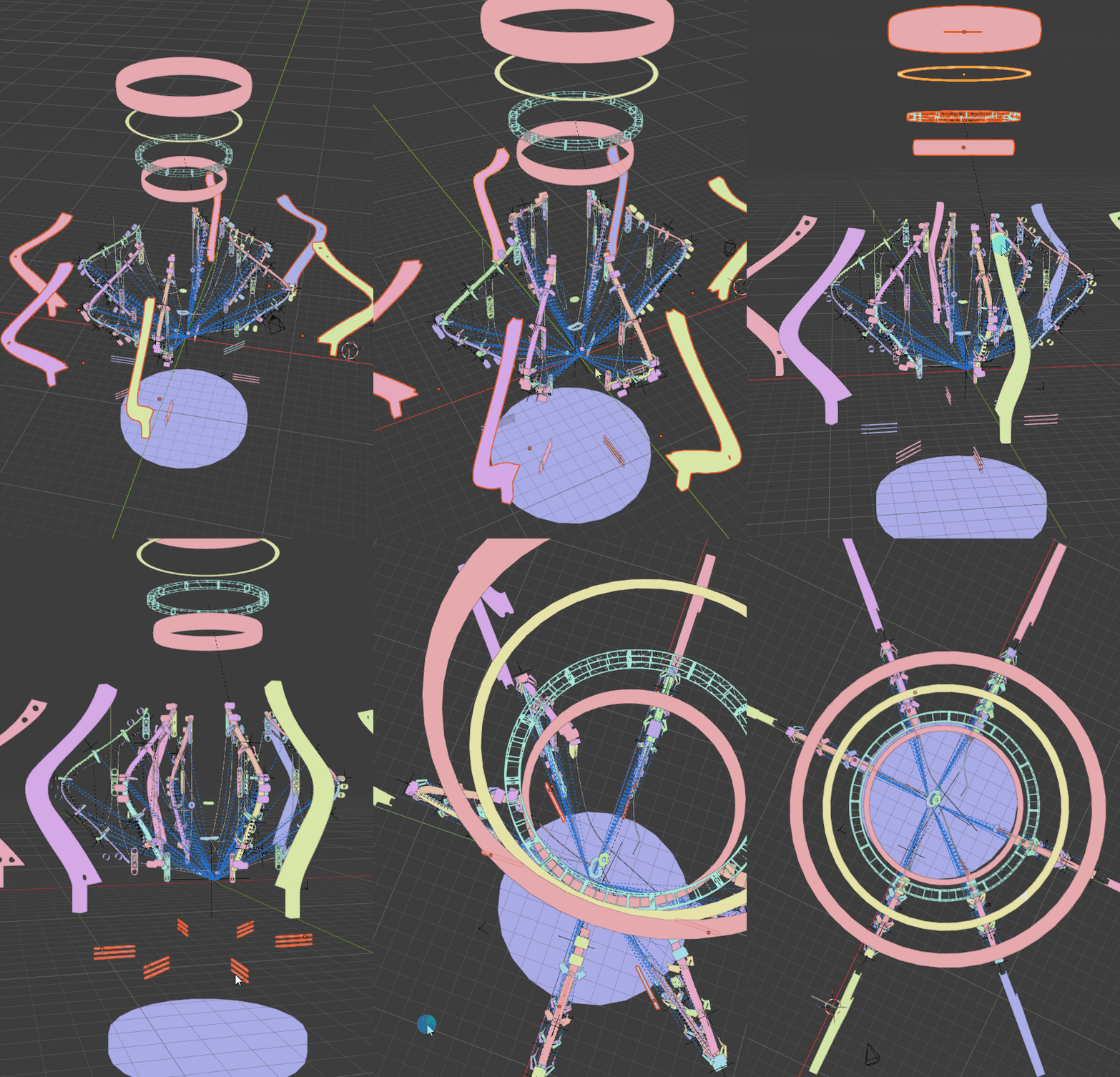
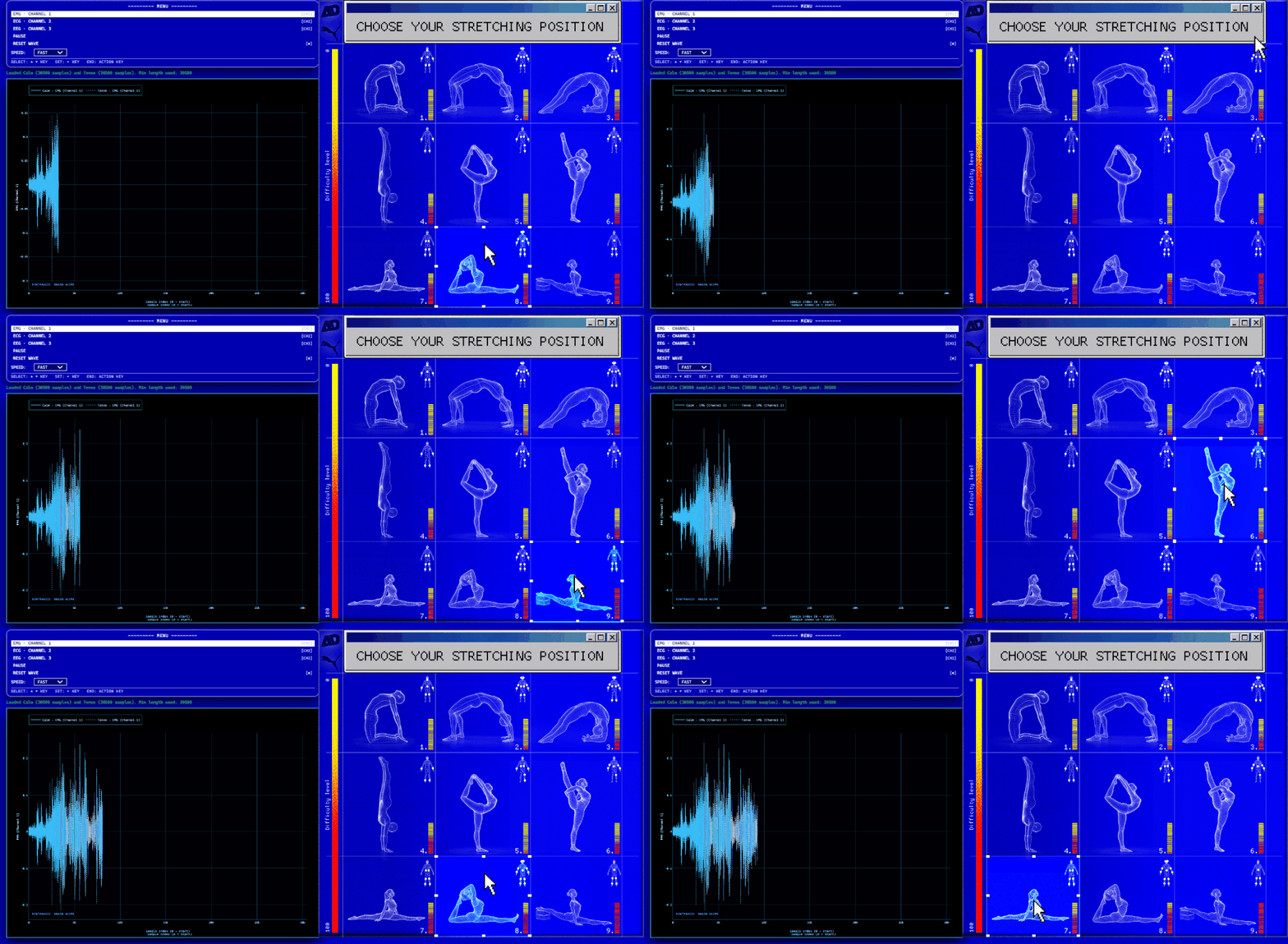
Hooked up to the machine are ropes that can be attached to different body parts — wrists, ankles, waist — whatever the exercise requires. On a screen users can select one of nine poses, ranked by difficulty. With sensors measuring ECG, EMG and EEG (bio signals for muscle tension, heartbeat and brainwaves) the machine makes sure not to overstretch any muscles. It guides and assists users, rather than dragging them into positions their bodies might not be ready for. She based her animations of the positions on drawings she saw in old Soviet books on puppetry.
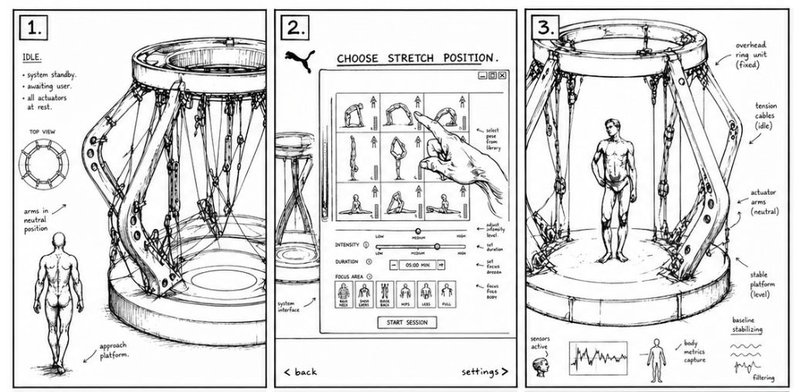
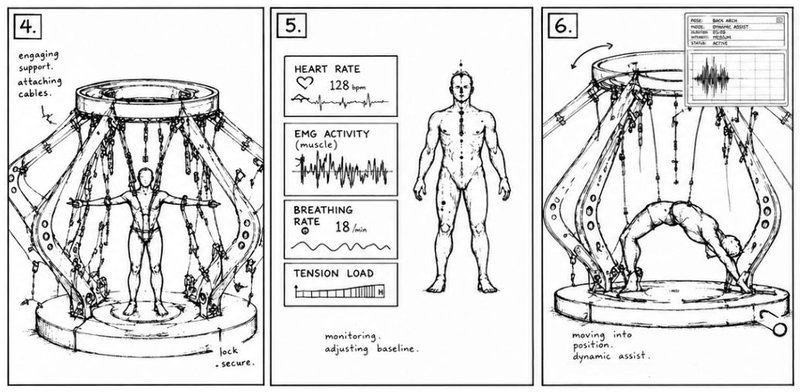
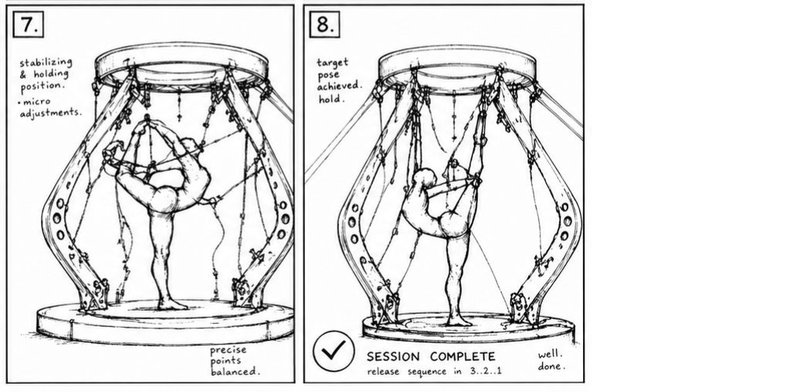
While the concept sounds futuristic, machines for stretching assistance already exist. As part of her Advanced Architecture MA studies at the IAAC in Barcelona, Nina is now thinking about how her design could be realized. To her, the challenge doesn’t lie with the hardware, but in the interactive element.
“That relationship between human and machine, so that it can get to know your limit and then help you expand that limit.”
Jason Liao
Inspiration struck when Jason was flipping through the 2022 “Designing for the Olympics” book, where he saw an image of a sneaker next to a bike. The side-by-side made him think about how commonly cars and shoes are related to one another, while this connection is rarely made with bikes, despite all three being designed for speed and aerodynamics.
From the beginning of the project, Jason saw the wheel of a racing bike in the curves of the PUMA CELL Geo cushioning. Going from there, he created the bike frame following the lines of the shoe's side panel. The two island-saddle mirrors the bottom view of the shoe.
“I want people to see this bike and immediately understand that it's all from the PUMA CELL Geo.”


In the Olympics design book, Jason further observed how the sporting equipment would clearly communicate team and country affiliation. He applied the same logic to his design. Imagining a full universe, he created his bike for a cyclist to swing atop, their PUMA CELL Geo’s firm on its pedals, first over the finish line.
Working with OPQ Studio, a manufacturer in Taiwan, he 3D-printed the different pieces for the bike. With only three weeks to finish the prototype, physics became secondary. Jason treated his bike model as a vessel for the possibilities the CELL Geo universe holds.


To display the bike, Jason chose to hang it from the ceiling, along with the shoes. This way, it could be treated as an exhibition piece. Experimenting with shapes and organic lines, he expresses his own understanding of the shoe’s design. Working with OPQ Studio, he will now continue development to make it fully functional.
Since its initial launch in the 1990s, the CELL Geo has been defined as much by its cutting-edge technology as by its design. Over the years, it has continued to evolve, building a hyperfuturistic universe rooted in innovation across sport and lifestyle.
CELL debuted with its hexagonal sole structure as the first of its kind. Inspired by honeycombs and bone tissue, it provides stable compression and impact protection. Produced from blowmolded TPU, it offers maximum abrasion resistance and tear strength.
As the PUMA team innovated, the CELL technology was updated and incorporated into more products. The same honeycomb structure that characterises the PUMA CELL has become part of most other PUMA products, combining it with foams and pods to achieve different training goals.
Today, the recalibrated classic returns in three new colorways—lively orange, deep blue, and vibrant green. With this release, PUMA presents a renewed vision of the future, powered by CELL technology keeping it ahead of the curve.


In anticipation of today’s launch, we held the PUMA CELL Geo design competition, inviting a new generation of designers to expand its universe even further. Explore the new drop here, and subscribe to our newsletter below to be the first to know about more opportunities like this.
